

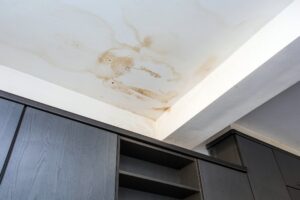
 Moisture damage in rental properties usually develops gradually rather than from dramatic water events. It forms through everyday humidity, small leaks, and poor airflow. As constant exposure continues, issues such as mold growth, wood rot, and deteriorating indoor air quality can occur. For rental property owners, understanding moisture’s impact is crucial to protect your property’s value and avoid costly repairs.
Understanding Moisture Damage: The Hidden Threat to Rental Property Value
Most people define property damage by dramatic events like floods, fires, or storms. However, there are other things that can cause just as much damage without immediate signs. Moisture damage is one of the most deceptive. It is subtle, ongoing, and easy to overlook, particularly in rental properties where early signs are often missed.
Activities such as showering, cooking, doing laundry, and breathing naturally release moisture into the air. Without proper ventilation and attentive maintenance, that moisture can infiltrate walls, floors, and structural components, quietly weaken the property and developing into significant damage.
The danger of Moisture damage is its progression. What begins as mild condensation or a slow leak can quickly lead to widespread issues that affect the property’s habitability and long-term value.
Common Causes of Moisture Damage in Rental Properties
The common sources of moisture damage present in a rental property typically originate from daily use or unnoticed developing plumbing issues. For example:
- High Indoor Humidity: Everyday routines generate indoor moisture. Bathrooms without adequate exhaust, kitchens with poor ventilation, and laundry rooms that trap steam all lead to elevated humidity levels.
- Small Leaks: Dripping pipes, slow roof leaks, and inadequately sealed windows can persist undetected. These minor leaks often hide within structural areas, quietly causing damage before discovery.
- Poor Ventilation and Airflow: Insufficient airflow allows moisture to linger. High-risk spaces include basements, attics, closets, and bathrooms. Poor ventilation significantly contributes to long-term moisture damage in rentals.
- Seasonal Weather and Climate: Rainfall, snow, and high humidity increase moisture exposure, making routine maintenance and inspections critical for prevention.
Long-Term Effects of Moisture Damage on Rental Properties
Unchecked, even small amounts of moisture can create serious long-term effects. These include:
- Mold and Mildew Growth: Wet environments establish conditions for mold, which can lead to resident complaints and potential legal concerns.
- Poor Air Quality: Humid indoor air can increase health risks, contributing to increased liability and declining habitability.
- Wood Rot and Structural Weakening: Persistent moisture slowly degrades wood framing, trim, and subfloors, resulting in structural damage that is often not immediately noticeable.
- Cosmetic damage: Peeling paint and warped floors often represent the first visible signs of deeper moisture problems, affecting tenant satisfaction and rental appeal.
Because moisture damage progresses gradually, interventions become more extensive, so proactive property inspections remain a key priority for rental property owners.
Proven Moisture Prevention Strategies for Landlords
Focusing on Prevention is essential for avoiding moisture-related property damage. The first line of defense is routine property inspections. Observing condensation patterns and checking ventilation systems helps landlords stop damage before it escalates.
Practical steps include:
- Guaranteeing proper ventilation in bathrooms and kitchens
- Quickly addressing leaks, regardless of size
- Performing frequent Inspections in vulnerable spaces
- Maintaining exterior seals and structural components
Implementing these preventative steps is far more cost-effective than repairing moisture-related repairs, while keeping residents healthy and comfortable.
Protect Your Rental Property Investment from Moisture Damage
Moisture is a quiet threat, yet it can severely impact rental properties. From hidden structural damage to health hazards, it stands as one of the most expensive issues for landlords. Employing proactive inspections and effective moisture management techniques ensures this threat is largely avoidable.
If hidden moisture issues threaten your rental property, Real Property Management Key Response is your trusted partner. We help rental property owners in Gallatin spot early signs, prevent moisture damage, and secure property values. Contact us online or call 615-953-8700 to find out more.
This content is provided for general informational and educational purposes only and does not constitute financial, legal, tax, or investment advice. Readers should consult with licensed professionals regarding their specific circumstances.
We are pledged to the letter and spirit of U.S. policy for the achievement of equal housing opportunity throughout the Nation. See Equal Housing Opportunity Statement for more information.
