

Key Takeaways
- Tennessee landlords must follow applicable federal, state, and local requirements throughout the rental process, from advertising and screening to move-out.
- The Tennessee Uniform Residential Landlord and Tenant Act (URLTA) applies in qualifying counties, including Davidson and Sumner.
- Consistent screening criteria, fair housing compliance, and properly prepared leases help reduce legal risks.
- Accurate records of security deposits, inspections, maintenance requests, and notices help protect owners during disputes.
- Professional property management can help Middle Tennessee landlords maintain consistent leasing, maintenance, and communication procedures.
Landlord compliance begins before a tenant moves in. From advertising and screening to collecting rent and handling security deposits, every stage of rental ownership involves legal responsibilities.
Failing to follow applicable requirements can lead to fair housing complaints, deposit disputes, invalid notices, and costly delays. Establishing consistent procedures and maintaining organized records helps landlords reduce these risks.
In this guide, Real Property Management Key Response outlines a step-by-step compliance checklist for rental owners in Gallatin, Hendersonville, Goodlettsville, Madison, Nashville, and surrounding Middle Tennessee communities.
This article provides general information, not legal advice. Owners should verify current requirements with a qualified professional.
Stage 1: Before You List
Before advertising a rental property, establish the necessary legal and operational foundations:
- Confirm rental eligibility: Review mortgage restrictions, HOA rules, and applicable licensing or registration requirements.
- Verify insurance coverage: Ensure your policy appropriately covers rental use.
- Maintain habitability: Check heating, plumbing, electrical systems, locks, and required safety detectors.
- Identify applicable laws: Tennessee’s URLTA applies in qualifying counties, including Davidson and Sumner. Other counties may have different requirements.
- Prepare disclosures: Provide federally required lead-based paint disclosures for qualifying pre-1978 properties and any other applicable disclosures.

Addressing these requirements before listing helps prevent problems later.
Stage 2: Advertising And Fair Housing
Federal fair housing law prohibits discrimination based on race, color, religion, sex, national origin, familial status, and disability. State and local protections may also apply.
Rental advertisements should describe the property rather than preferred occupants. Avoid statements such as “perfect for singles” or “no children.”
Apply consistent inquiry and showing procedures, document communications, and accommodate qualifying disability-related requests as required by law.
Stage 3: Tenant Screening
A documented screening process helps landlords evaluate applicants fairly and consistently.
Follow these practices:
- Establish written income, credit, rental-history, and occupancy criteria.
- Apply screening standards consistently to applicants.
- Obtain appropriate authorization for credit and background checks.
- Verify income, employment, and rental references.
- Assess criminal history in accordance with applicable fair housing requirements.
- Provide required adverse action notices when decisions rely on consumer reports.
- Evaluate assistance animal requests under applicable fair housing rules.
Retain appropriate screening records securely and comply with applicable privacy requirements.
Stage 4: Preparing The Lease
A written lease should clearly establish the responsibilities of both parties.
Include the rental term, payment deadlines, late fees, security deposit terms, maintenance obligations, utilities, occupancy restrictions, property rules, entry procedures, and notice requirements.

Avoid provisions that conflict with applicable law. Review lease templates regularly and update them when legal requirements change.
Stage 5: Security Deposit Compliance
Security deposits require careful documentation and handling.
Tennessee law establishes requirements for deposit accounts, inspections, deductions, and refunds. Tennessee law requires residential security deposits to be held in designated accounts, with tenants notified of the account location when signing the lease and submitting the deposit.
Landlords must also follow applicable inspection, deduction, and refund procedures.
To reduce disputes:
- Document deposits and required account information.
- Maintain photographs and property condition reports.
- Follow applicable move-out inspection procedures.
- Document allowable deductions and repair costs.
- Return applicable funds according to legal requirements.
Landlords should verify the relevant inspection and deposit procedures before withholding funds.
Stage 6: Documenting Move-In
Complete a detailed condition inspection at or before move-in. Record existing damage, test required safety equipment, and document the condition of major systems.
Provide keys, access instructions, emergency contact information, and procedures for rent payments and maintenance requests.
Ensure tenants receive their signed lease and required disclosures. Organized move-in records help establish the property’s original condition.
Stage 7: Rent Collection And Late Payments
Follow the payment procedures established in the lease and maintain accurate rent ledgers.
In URLTA-covered counties, landlords must observe a five-day grace period before charging late fees, which cannot exceed 10% of the overdue rent. Additional rules apply when the grace period ends on a Sunday or legal holiday.
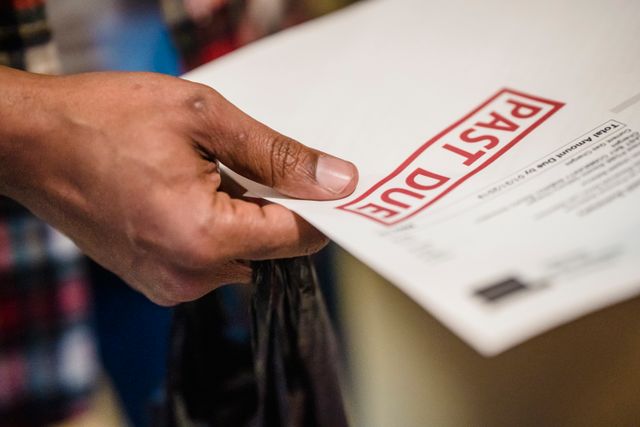
If rent remains unpaid, confirm the required notice procedures before pursuing termination or legal action.
Consistent collection practices and written documentation help reduce disputes.
Stage 8: Maintenance And Repairs
Landlords must meet applicable habitability and maintenance obligations throughout the tenancy.
Establish a process for reporting repairs, responding to emergencies, and documenting completed work. Use qualified vendors and retain invoices, maintenance requests, and inspection records.
Provide legally required notice before entering an occupied property, except where an applicable exception permits entry.
Periodic inspections can help identify developing problems and protect the property’s condition.
Stage 9: Tenant Notices
Incorrect notices can delay enforcement or undermine legal proceedings.
Common notices address unpaid rent, lease violations, entry, rent changes, non-renewal, and termination.
Before issuing a notice, verify:
- The legally required content.
- Applicable notice periods.
- Permitted delivery methods.
- Documentation and proof-of-delivery requirements.
Notice rules vary depending on the circumstances and governing Tennessee law. Consult a qualified attorney when termination or eviction may become necessary.
Stage 10: Lease Renewals And Rent Changes
Begin reviewing upcoming lease expirations early enough to evaluate renewal options.
Consider payment history, property condition, comparable rental rates, and potential maintenance needs.
Provide renewal offers and proposed changes in writing. Follow applicable lease provisions and legal notice requirements when adjusting rent or other terms.
Maintain copies of all renewal documents and tenant communications.
Stage 11: Move-Out And Recordkeeping
At move-out, document the property’s condition and compare it with the initial inspection.

Follow applicable procedures for tenant participation in inspections, recording damages, collecting keys, and handling security deposits.
Maintain organized records of:
- Applications, screening documents, and leases.
- Payment histories and deposit information.
- Inspection reports and maintenance records.
- Notices and written communications.
Review procedures after each tenancy to identify improvements before the next tenant moves in.
Bottom Line
Landlord compliance in Middle Tennessee requires consistent procedures, accurate documentation, and an understanding of applicable laws. From screening applicants to handling deposits and notices, addressing legal responsibilities throughout the tenancy helps owners protect their investments and avoid unnecessary disputes.
Real Property Management Key Response provides professional screening, leasing, maintenance, and property management services throughout Sumner and Davidson counties. Its local expertise and established management processes help owners navigate rental responsibilities more efficiently.
Looking for professional support with your rental property? Request a free rental property evaluation or call 615-953-8700 to learn how Real Property Management Key Response can help.
Frequently Asked Questions
What Laws Must Landlords Follow In Middle Tennessee?
Landlords must comply with applicable federal fair housing laws, Tennessee landlord-tenant statutes, and local requirements. URLTA applies in Davidson and Sumner counties, among others. Property location determines which requirements apply.
How Can Landlords Keep Tenant Screening Compliant?
Establish written criteria, apply them consistently, obtain appropriate screening authorizations, and follow fair housing requirements. Decisions involving consumer reports must comply with applicable Fair Credit Reporting Act provisions.
What Are Tennessee’s Security Deposit Requirements?
Applicable rules govern deposit accounts, inspections, deductions, and refunds. Landlords should verify the procedures governing their property before collecting deposits or withholding funds.
What Notices Must Tennessee Landlords Provide?
Required notices depend on the situation and applicable law. They may address unpaid rent, lease violations, entry, termination, or non-renewal. Notice periods and delivery requirements vary.
What Records Should Rental Owners Maintain?
Maintain screening documentation, signed leases, disclosures, payment records, inspection reports, maintenance requests, and tenant communications. Organized records help document compliance and resolve disputes.
How Often Should Landlords Review Their Lease Agreements?
Review lease templates regularly, particularly before new tenancies and whenever relevant laws change. Periodic reviews help identify outdated provisions and compliance gaps.
How Can Property Management Help With Landlord Compliance?
Professional property management supports consistent screening, leasing, maintenance, and documentation practices. Real Property Management Key Response provides these services to help Middle Tennessee rental owners manage their responsibilities.
This content is provided for general informational and educational purposes only and does not constitute financial, legal, tax, or investment advice. Readers should consult with licensed professionals regarding their specific circumstances.
We are pledged to the letter and spirit of U.S. policy for the achievement of equal housing opportunity throughout the Nation. See Equal Housing Opportunity Statement for more information.
