

 Key Takeaways
- A rental maintenance emergency involves an immediate safety risk, active property damage, or a serious habitability problem that cannot reasonably wait for normal business hours.
- Burst pipes, gas leaks, electrical hazards, sewage backups, and loss of essential services may require urgent attention, while dripping faucets, cosmetic damage, and minor pest issues are generally routine.
- Clear reporting procedures, fast triage, and written documentation help landlords protect the property and respond consistently.
- Response times should reflect the severity of the issue, the lease, applicable law, and the availability of qualified vendors.
Not every maintenance request is an emergency. Rental property owners in Gallatin and Sumner County will deal with everything from minor repairs to situations that threaten safety or cause active damage. The challenge is knowing which issues require immediate action and which can be scheduled during normal business hours.
RPM Key Response helps owners establish a practical maintenance process so urgent problems are addressed quickly without treating every repair request as a crisis. This guide explains what generally qualifies as emergency maintenance, how to prioritize response, and what owners should document along the way.
What Qualifies as a Rental Maintenance Emergency?
An emergency maintenance issue generally involves an immediate threat to health or safety, active property damage, or a condition that may make the home unfit for normal occupancy.
A useful first question is whether someone is in danger, damage is actively getting worse, or an essential system has failed. If so, the issue should be treated as urgent. If not, it can usually be scheduled as routine maintenance.
Tennessee’s Uniform Residential Landlord and Tenant Act requires covered landlords to comply with applicable health and safety codes and keep rental premises fit and habitable. Tennessee’s minimum rental housing standards also address basic facilities, plumbing, electrical systems, and heating.
Common Rental Maintenance Emergencies
Burst Pipes and Major Water Leaks
A burst pipe or uncontrolled leak can damage flooring, drywall, electrical components, and structural materials within a short period. If it is safe to do so, the resident should shut off the main water supply and report the issue immediately.
Owners or managers should contact an appropriate vendor as soon as possible. After a leak is contained, owners should also watch for signs of moisture damage that could create additional repair concerns.
Loss of Heat in Cold Weather
Tennessee minimum housing standards require heating facilities capable of maintaining at least 68°F in habitable rooms under ordinary winter conditions. A heating failure during cold weather can therefore become a serious habitability concern.
The colder the conditions and the more extensive the outage, the faster the response should be. Owners should document the report, contact an HVAC provider, and consider whether temporary measures are appropriate while repairs are underway.
Gas Leaks
A suspected gas leak is a life-safety emergency. Residents should leave the property immediately, avoid switches or open flames, and contact emergency services or the utility provider before notifying management.
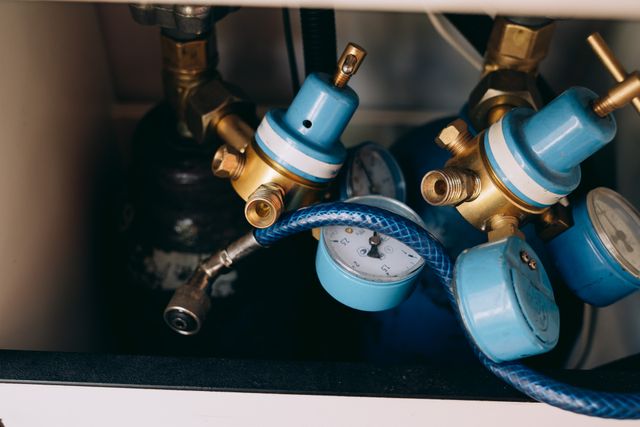
No one should re-enter until the appropriate authority confirms that it is safe. Repairs should then be completed before normal occupancy resumes.
Electrical Hazards
Sparking outlets, exposed live wiring, burning smells, or problems involving the main electrical panel can create fire or electrocution risks. Residents should avoid the affected area and report the condition immediately.
A qualified electrician should evaluate the problem before the system is returned to normal use.
Sewage Backups
An active sewage backup, including sanitary sewer overflows, can create both sanitation concerns and property damage. Residents should stop using affected plumbing fixtures and notify management promptly.
A licensed plumber or appropriate remediation professional may be needed depending on the extent of the backup and contamination.
Loss of Cooling During Extreme Heat
Tennessee law does not generally establish air conditioning as an essential service in the same way it identifies heat, gas, and electricity. However, a cooling failure during severe heat can still create a serious health and safety concern depending on the conditions, the lease, and the occupants’ circumstances.
Owners should evaluate these situations promptly rather than relying on a rigid response category.
Urgent Access Problems
A lockout caused by a broken lock, malfunctioning door, or other property defect should be addressed promptly. A lockout caused solely by a lost key may be handled differently under the lease.
Owners should establish a written process for after-hours access so residents know who to contact and how locksmith charges are handled.
What Is Usually Not an Emergency?
Most maintenance requests do not require an after-hours response.

Examples include a dripping faucet, slow drain, stuck drawer, minor cosmetic damage, isolated pest sighting, cabinet repair, or appliance issue that does not affect health or safety.
Even minor issues can become more expensive when ignored, so owners should know which maintenance warning signs deserve closer attention.
These problems should still be documented and scheduled within a reasonable timeframe. Setting clear expectations helps owners avoid unnecessary after-hours costs while making sure legitimate concerns do not get ignored.
A Practical Response Timeline
Rather than treating every repair the same, owners can use a severity-based framework:
- Immediate or same-day attention: Gas leaks, fire or smoke, major flooding, sewage overflow, exposed electrical hazards, or other life-safety conditions.
- Urgent attention: Loss of heat, essential utilities, major plumbing failures, or conditions affecting habitability.
- Routine maintenance: Dripping faucets, slow drains, minor appliance issues, small pest concerns, and non-hazardous wear.
- Planned work: Cosmetic updates, painting, landscaping, cabinet work, and other non-urgent improvements.
These are operational guidelines, not statutory deadlines. Actual obligations depend on applicable law, local codes, lease terms, and the circumstances.
What Residents Should Do While Waiting for Help
During a genuine emergency, residents should take reasonable steps to limit danger and damage without putting themselves at risk:
- Document the issue with photos or video when safe.
- Shut off the water during a major leak if they can do so safely.
- Evacuate for fire, smoke, gas odors, or other immediate hazards.
- Avoid affected electrical, plumbing, or HVAC systems.
- Update management if conditions worsen.
- Avoid unauthorized repairs unless necessary for safety and permitted by the lease or law.
Routine requests should be submitted through the designated maintenance portal or another written channel to create a clear record.
Protecting Your Rental Property as an Owner
Fast response matters when safety, habitability, or the property is at risk. Tennessee law requires covered landlords to maintain habitable premises and may provide remedies when essential services are not supplied.
Document the issue, vendor response, and completed repairs. Clear maintenance instructions should explain how residents report problems and when emergency services are appropriate.
A property manager can handle triage, coordination, communication, and documentation without requiring owners to manage after-hours calls.
Bottom Line
Emergency maintenance comes down to severity. A condition involving immediate danger, active property damage, or a serious habitability concern deserves rapid attention. Routine repairs can usually wait for normal scheduling.
The goal is not to label every inconvenience an emergency. It is to have a consistent process that identifies genuine risks early, limits property damage, and creates a clear record of the response. Professional property management can make that process easier by providing established systems for triage, communication, and vendor coordination.
RPM Key Response helps owners in Gallatin and Sumner County coordinate maintenance, communicate with vendors, and manage urgent and routine repair requests. If you want help building a more organized approach to rental maintenance, contact our team or request a free rental analysis.
Frequently Asked Questions
What Should I Do if a Resident Reports an Emergency at 2 a.m.?
Respond promptly enough to determine what is happening. Ask whether there is an immediate safety threat, active water damage, gas odor, fire risk, sewage overflow, or loss of an essential service.
If the issue is dangerous, direct the resident to emergency services when appropriate and contact the necessary vendor. If it is routine, explain when it will be scheduled. Document the report and your response either way.
Can I Charge a Resident for Emergency Repairs?
Responsibility depends on the cause of the problem, the lease, and applicable law. Landlords are generally responsible for maintaining habitable conditions, while tenants can be responsible for damage caused by deliberate or negligent conduct.
Even when resident-caused damage may ultimately be chargeable, an urgent condition should still be addressed promptly. Owners should document the cause and seek legal guidance when responsibility is disputed.
Is No Hot Water an Emergency?
A complete loss of hot water can raise a habitability concern because Tennessee minimum rental standards require certain plumbing fixtures to be connected to hot and cold water where water under pressure is available.
Owners should respond promptly and determine whether the problem affects the entire property or a single fixture. A minor delay in water heating is different from having no functioning hot water supply.
What Counts as a Pest Infestation Emergency?
A pest issue becomes more urgent when it creates a material health or safety concern or makes normal use of the property difficult. A single insect sighting usually does not require an emergency response, while a significant rodent, cockroach, or other infestation may require faster professional treatment.
RPM Key Response’s Pest Assurance program through Pest Share can provide residents with access to professional pest-control support.
Can I Charge a Resident for a Lockout Service Call?
Potentially. If the resident loses a key or causes the lockout, the lease may allow the cost of a locksmith or replacement key to be charged to them. If access is lost because of a broken lock, defective door, or another property-related problem, the owner may be responsible.
The priority after hours is restoring safe access. The cost can be addressed afterward according to the lease and applicable law.
This content is provided for general informational and educational purposes only and does not constitute financial, legal, tax, or investment advice. Readers should consult with licensed professionals regarding their specific circumstances.
We are pledged to the letter and spirit of U.S. policy for the achievement of equal housing opportunity throughout the Nation. See Equal Housing Opportunity Statement for more information.
